Global Food Buyers Need Clear Product Information


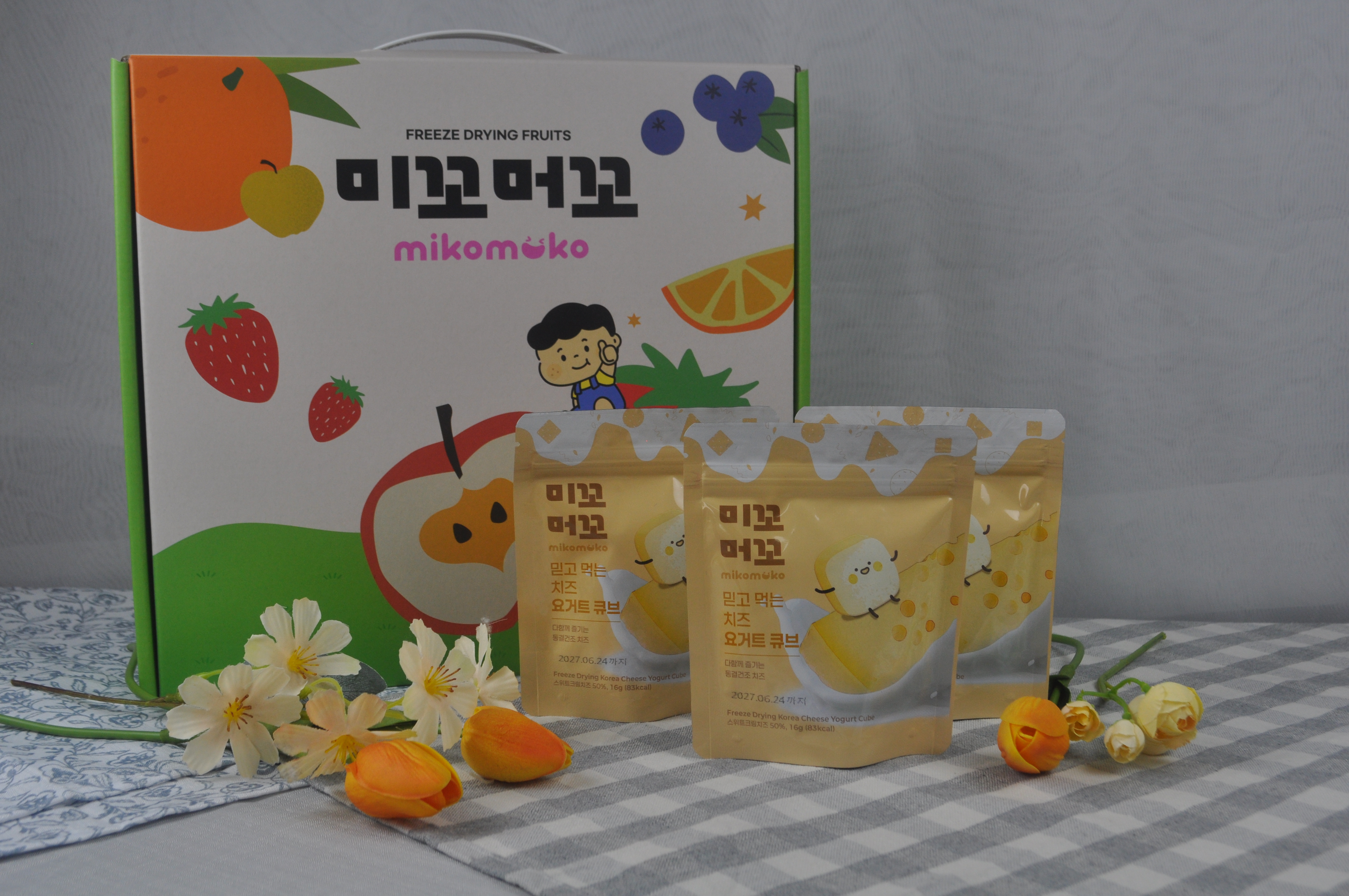
Global Food Buyers need clear product information before they review a new snack brand. Product photos, package fronts, and package backs all help buyers understand what the product is and how it can fit their market. MIKO MOKO by Vosuck Food presents fruit chips and yogurt cube products with clear flavor images and easy-to-read package design.
The photos show mango chips, mandarin chips, strawberry yogurt cubes, cheese yogurt cubes, and blueberry yogurt cubes. Each product uses a different color and fruit image, so buyers can recognize the flavor direction quickly. This makes the product lineup easier to compare during sourcing review.
For B2B customers, product clarity supports catalogue work, online store listings, retail shelf planning, and buyer meetings. For B2C customers, it helps them understand the snack before purchase. With this structure, MIKO MOKO can present a snack lineup that feels organized, approachable, and ready for global review.
Ingredient Origin Data Supports Buyer Confidence


Ingredient Origin Data can help buyers review product value more carefully. A package should not only show a flavor name. It should also give useful information about ingredients, origin, nutrition, storage, and product handling. The back-label photos show how MIKO MOKO products can support this kind of review.
For example, mango and mandarin products show clear fruit identity on the front. The back side gives buyers more detailed information for checking the product before sales. This is important because global buyers often need package data for import review, translation, product registration, and local sales planning.
MIKO MOKO can use this label structure to build trust. Buyers can compare product visuals with Ingredient Origin Data and other package details. This makes the product easier to introduce in overseas markets where customers want both attractive design and clear information.
Global Food Buyers Can Compare Fruit and Yogurt Snacks


Global Food Buyers often compare products by category, flavor, and package format. MIKO MOKO gives them several options in one lineup. Fruit chips can support customers who want light fruit-based snacks. Yogurt cubes can support customers who want small bite-sized products with a soft and friendly snack image.
The mango and mandarin packages create a bright citrus and tropical fruit impression. Strawberry, cheese, and blueberry yogurt cube packages create a different mood through softer colors and cube-style visuals. This contrast helps buyers organize the lineup by snack experience.
This comparison is useful for online stores, K-food retailers, family snack shelves, and gift-style product sets. Buyers can introduce fruit chips as freeze-dried fruit snacks. They can introduce yogurt cubes as small cube snacks with clear flavor appeal. This makes MIKO MOKO easier to explain across different customer groups.
Ingredient Origin Data Builds Global Retail Readiness


Ingredient Origin Data also supports global retail readiness. Buyers need to check more than flavor and package design. They may review label information, product size, shelf life, storage method, ingredient details, barcode areas, certification icons, and supplier communication before making a decision.
The photos show both front and back package views, which can help buyers understand how the product may appear in real retail conditions. Front designs attract attention. Back labels support review and trust. Together, they help MIKO MOKO present a more complete product story.
For Vosuck Food, this creates a stronger export message. MIKO MOKO products can show fruit identity, colorful package design, and practical label information in one lineup. With Global Food Buyers as the main audience, the brand can present fruit chips and yogurt cubes as clear, friendly, and review-ready Korean snack products.


Leave a Reply